Back to all
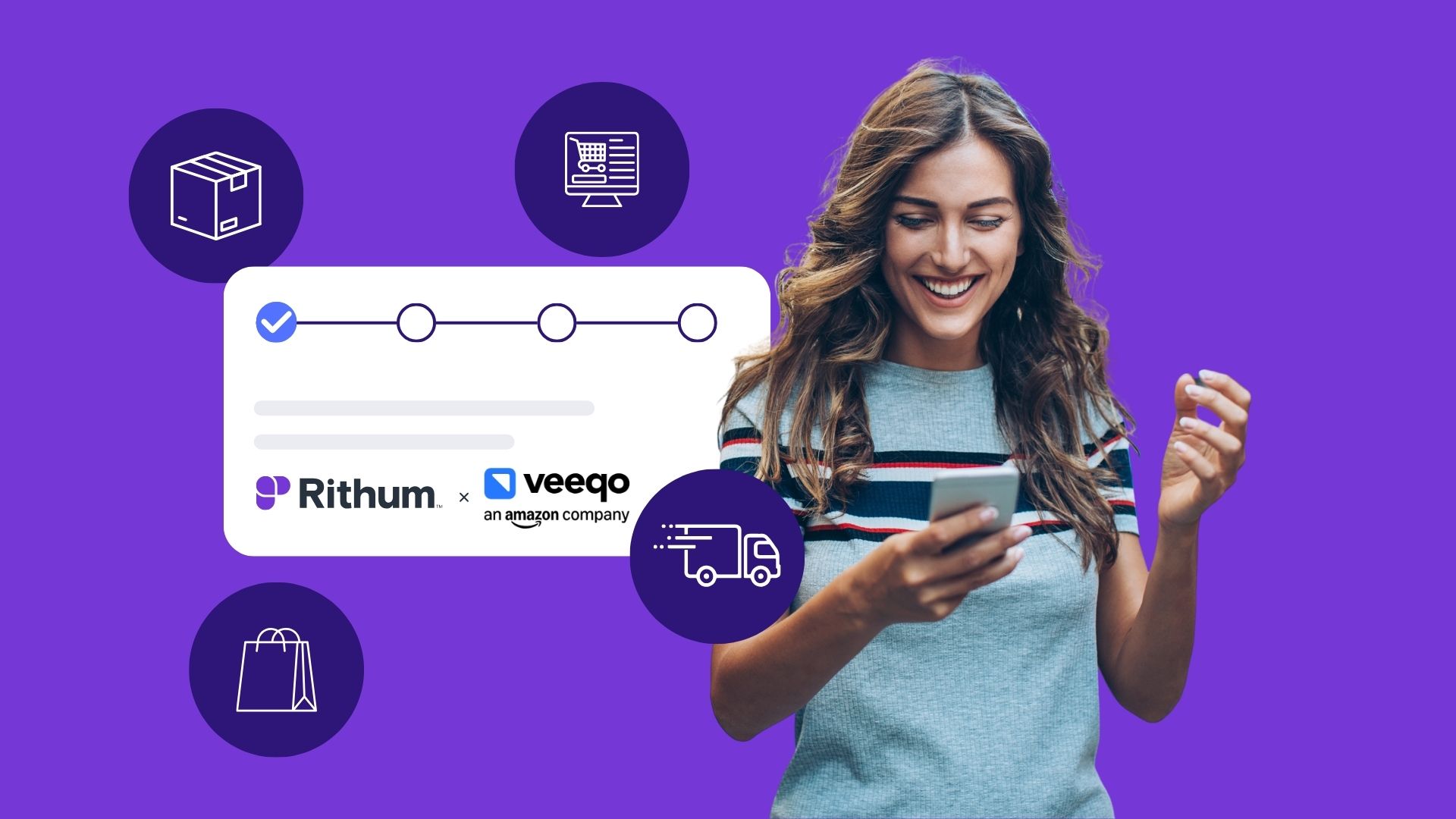

Adding channels through Rithum is straightforward. Once you connect a new marketplace and your listings go live, orders start coming in. While the demand side scales cleanly, shipping doesn’t follow the same curve.
Instead, every new channel adds complexity to your fulfillment operation. To scale, your choices are to add headcount or automate shipping.
Automation takes over the decisions that slow fulfillment
Businesses using shipping automation tend to experience lower operational costs and require fewer worker hours. At 1,000+ shipments per month, those hours are the difference between hiring another warehouse worker and not.
Shipping automation removes decisions and manual steps from the workflow entirely, so your existing team can handle more volume. The real bottleneck at scale comes before the physical work of picking and packing. It sits in the pre-fulfillment staging, where your team decides which carrier to use, which service to select, which warehouse to ship from, and which orders to prioritize.
Veeqo, Amazon’s shipping software, integrates directly with Rithum. Veeqo is a Rithum Recommended Shipping Partner, built to handle everything that happens after an order is ready to ship.
1. Orders from all your Rithum channels land in one Veeqo workflow
Instead of your team logging into different tools or managing separate processes for each marketplace, every seller-managed order from the 600+ channels connected through Rithum lands in one place in Veeqo. Those channels include Amazon, Walmart, eBay, Shopify, Target, and TikTok Shop. You only have to manage one orders page and shipping workflow, plus one set of labels.
You filter by channel, due date, or warehouse to prioritize what needs to ship now, without context-switching between systems.
2. Shipping rules eliminate repetitive carrier decisions
The biggest time drain at scale is deciding which carrier and service to use on every single order. Multiply that by 500 orders a day and you’ve got a full-time job that’s just carrier selection. Veeqo’s automation rules handle this. You set criteria once.
- Orders shipping to specific ZIP codes automatically get assigned the cheapest carrier for that zone.
- Packages over a certain weight threshold automatically get routed to a heavy-parcel service.
- Orders containing items tagged fragile automatically get assigned a specific service or flagged for careful handling.
Rules run on every incoming order. Your team doesn’t touch carrier selection unless something falls outside the rules.
3. Bulk shipping buys and prints up to 100 labels at once
When you’re shipping hundreds of orders a day, doing anything one by one is a bottleneck. Veeqo’s bulk operations work in four steps.
- Select up to 100 orders at once on a single page.
- Apply the same package dimensions and weight across all selected orders in one click.
- Assign the same shipping service to all selected orders.
- Buy all labels and print them in one action.
This is how high-volume sellers ship thousands of orders per day. The entire batch prints directly to your thermal printer without opening PDFs or clicking through confirmation screens.
4. Direct print removes steps between buying and printing labels
Every extra click between “buy label” and “label in hand” is wasted time at scale. Veeqo’s direct print sends labels straight to your printer the moment you purchase them.
You configure once which documents print automatically with every label (shipping label, packing slip, invoice, pick list), and Veeqo remembers your selection. From that point on, buying a label prints the documents immediately.
5. Digital picking reduces errors before orders ship
Paper pick lists work at low volume. At scale, they create errors. Items get missed and handwriting gets misread, with no confirmation that the right product went into the right box.
Veeqo’s digital picking sends pick batches to a mobile app. Warehouse staff scan items with their phone or a barcode scanner. They see exactly what to pick and where it’s located in the warehouse, then confirm each item by scanning to prevent mistakes. The app also sends them the most efficient route through the warehouse, saving time on the floor.
If you have a 1% error rate on 500 daily orders, that’s 5 mispicks per day. Each one takes 5-10 minutes to resolve (repack, reprint label, potentially a customer service interaction). That’s up to an hour of rework every day that scan-to-confirm picking eliminates.
6. Rate shopping finds carrier savings automatically
When you’re shipping across multiple carriers, the cheapest option changes based on origin, destination, weight, and dimensions. Manually comparing rates on every order isn’t realistic at volume.
Veeqo’s rate shopping shows all available rates from all connected carriers side by side, calculated in real time. You see the carrier, service, price, and estimated delivery date for each option. Change the ship-from warehouse and rates recalculate instantly.
At scale, even small per-label savings add up. Saving $0.50 per label across 10,000 monthly shipments is $5,000 a month you weren’t recovering before.
Veeqo’s shipping features stay free at any order volume
All the features listed above (rules engine, bulk shipping, direct print, digital picking, rate shopping) come with Veeqo at no monthly shipping fee.
Most shipping tools charge a monthly subscription that increases with order volume. Carriers pay Veeqo a small commission on each label instead, so whether you ship 500 orders a month or 50,000, the cost of using Veeqo’s shipping features doesn’t change.
There are no caps on shipments, users, warehouses, or SKUs.
How to connect Veeqo to Rithum
Rithum keeps managing your listings and channels while your team ships through Veeqo. Start with your Rithum account manager, and Veeqo’s onboarding team will help you connect Rithum and configure the setup around how your warehouse already works. From there, your Rithum orders sync into Veeqo every 10 minutes. Book a free consult with Veeqo to get started.